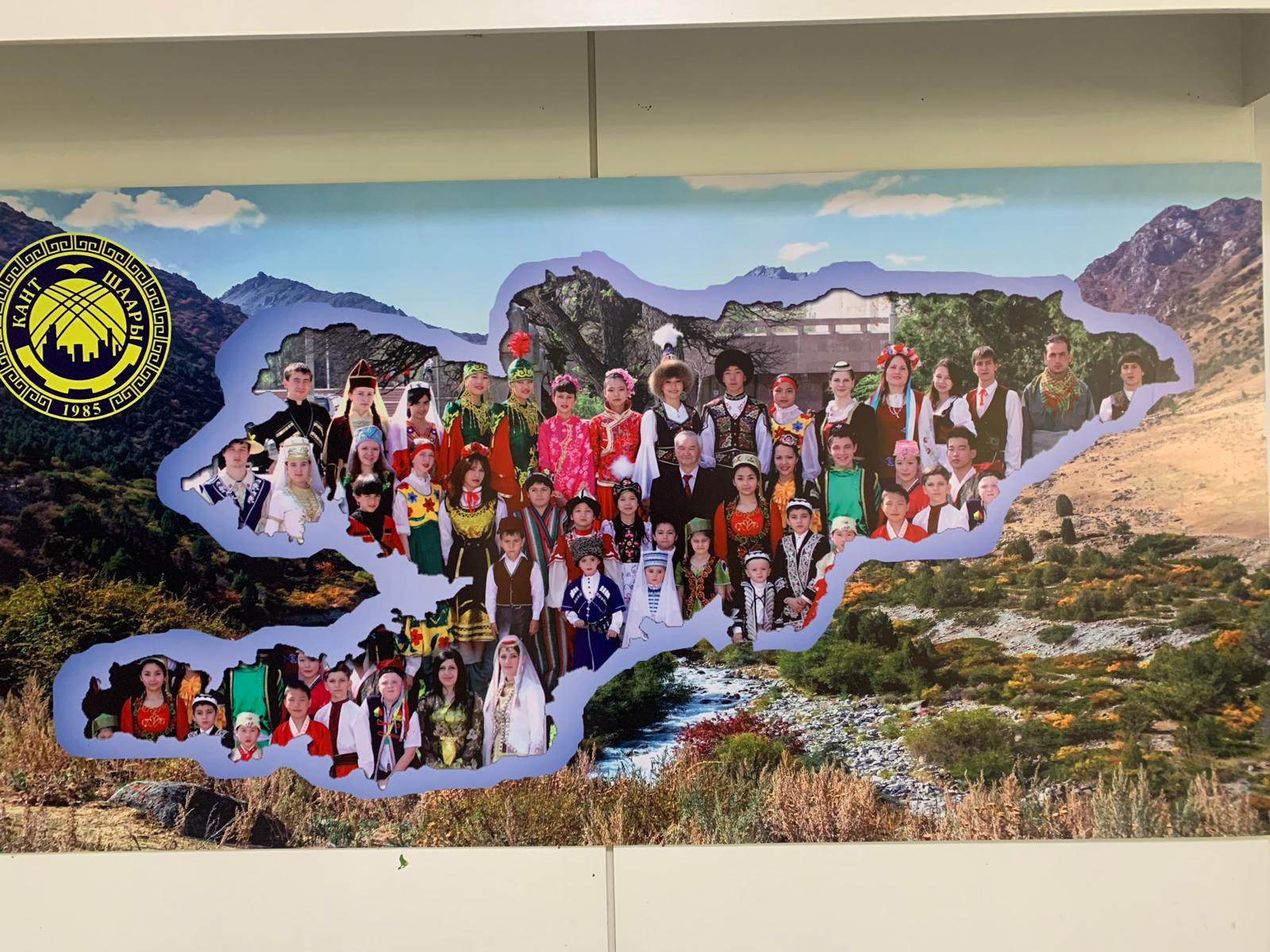
Chuy Oblast is not only an economic and cultural center of Kyrgyzstan but also a unique area where representatives of more than 20 ethnic groups have lived in harmony for centuries. With a population exceeding one million, this region serves as a true example of a multiethnic society, where each community contributes to the cultural and economic development of the area.
The Kyrgyz, making up approximately 74% of the region’s population, are descendants of ancient nomadic tribes that have roamed the mountains of Kyrgyzstan for centuries. Their culture is deeply connected to nature: traditional yurts can still be found in high-altitude pastures, and hospitality remains one of the defining traits of their national character.
One of the symbols of Kyrgyz culture is the epic "Manas"—a grand heroic masterpiece that celebrates the feats of the legendary national hero and his companions. This is not just a literary heritage but a living testimony to the history and philosophy of the Kyrgyz people.
Russians make up about 12% of the population of Chuy Oblast. Their history in the area dates back to the 19th century when the first settlers arrived in search of new opportunities. Today, the Russian community actively contributes to the development of science, education, industry, and culture. Russian traditions, language, and holidays continue to be preserved through Orthodox churches, Russian schools, and cultural centers.
Dungans, accounting for about 5.6% of the population, are descendants of Chinese Muslims who migrated to Kyrgyzstan in the late 19th century. Their culture is unique: their language belongs to the Chinese linguistic group but uses Arabic script, and their national cuisine is famous for its spicy and flavorful dishes, such as lagman and ashlyanfu. Engaged in agriculture and trade, the Dungan community has significantly contributed to the region's agricultural development.
Uighurs, comprising 1.2% of the population, are an ancient Turkic people with a rich cultural heritage. In Kyrgyzstan, they are well known for their musical and dance arts, as well as their crafts. Their traditional instruments, dutar and rubab, produce a distinctive sound that can be heard at national celebrations.
Although the Uzbek community in northern Kyrgyzstan is relatively small (around 1.6%), it plays an important role in the cultural life of the region. Uzbek cuisine, music add vibrant colors to the ethnic diversity of Chuy Oblast. In local chaikhanas (teahouses), visitors can enjoy aromatic plov, samsa, and other Eastern delicacies that have become part of the region’s shared culinary heritage.
In addition to these groups, Chuy Oblast is home to Turks, Kazakhs, Azerbaijanis, Tatars, Ukrainians, and many others. Their traditions, languages, and customs enrich the region’s culture, fostering an atmosphere of friendship, tolerance, and mutual understanding.